

Desk Work and Neck Pain: Movement, Setup and When to Get Help
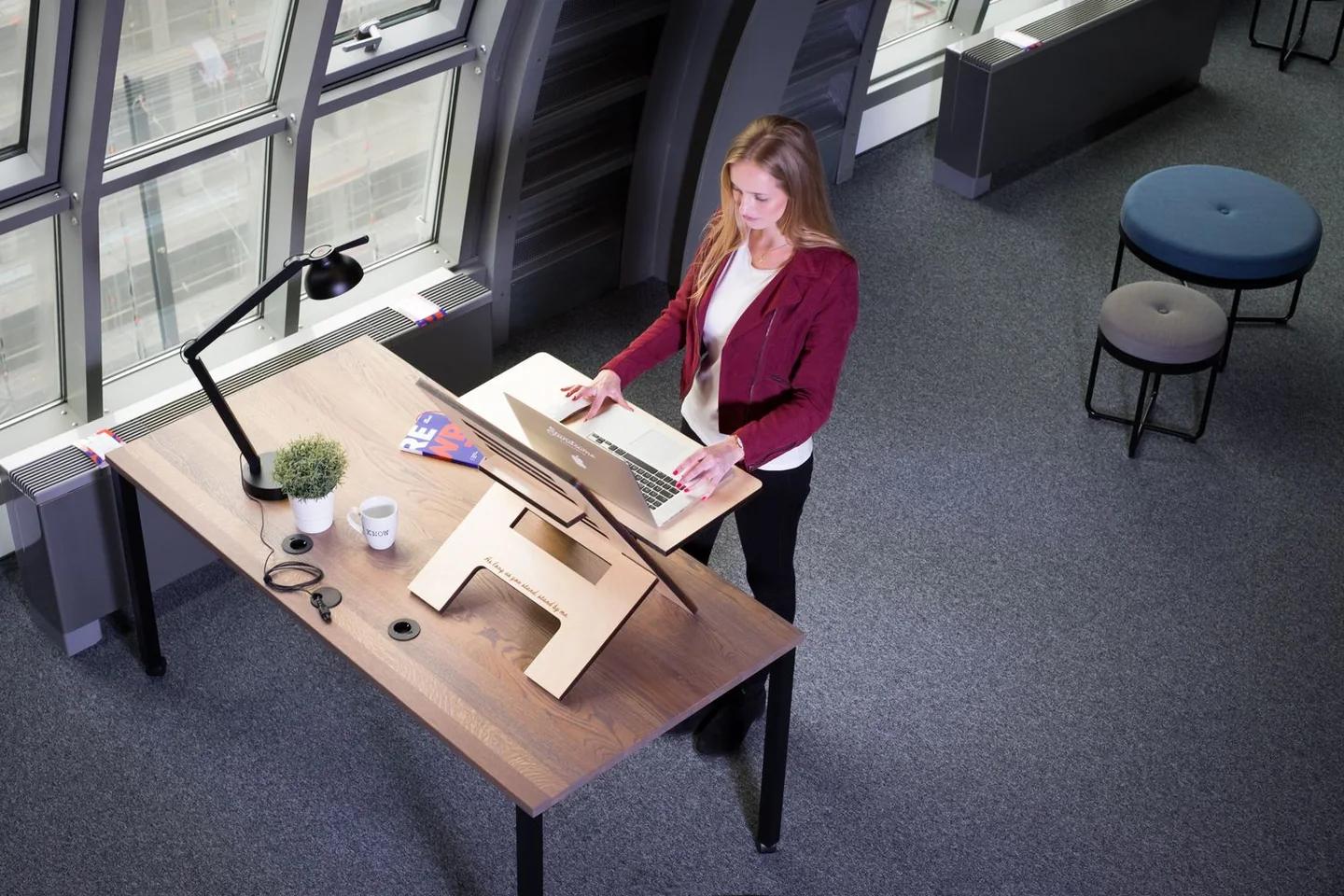
Neck or shoulder discomfort during a desk-based day can make it hard to concentrate, drive or relax afterwards. Work setup may contribute, but the answer is not always an expensive chair or a rule to sit perfectly straight. The useful questions are how long you stay in one position, which tasks aggravate symptoms and whether there are signs that need an assessment.
Look for a pattern, rather than blaming one posture
Notice when symptoms appear. Does discomfort build during laptop work, long calls or a commute? Does it improve when you change tasks, walk or move away from the screen? Record whether pain stays around the neck or travels into the arm, and mention tingling, numbness or weakness when you speak with a clinician.
These details can guide a posture and ergonomics assessment. They do not prove that posture is the only cause. Injury, joint or nerve-related problems and other health factors may need consideration, especially when symptoms persist or change.
Make the workstation fit the task
Try to arrange frequently used items so you can work without repeatedly reaching or twisting. Check whether the screen position lets you read comfortably and whether your chair and desk allow supported, practical working positions. If you use a laptop for long periods, discuss whether a separate keyboard, mouse or screen would help your setup.
Adjust one or two things and assess whether they make the task easier. A photograph of your desk can be useful during a consultation. The goal is comfort and useful movement, not maintaining a single rigid position throughout the day.
Build movement into the workday
Changing tasks and taking movement breaks can reduce the time spent in one position. A short walk, getting up for a call or alternating tasks may be easier to maintain than a complicated routine. Choose changes that fit your work and current ability.
Avoid forcing painful movements or copying an intensive exercise routine without knowing whether it suits you. If exercises are recommended, ask how to start, what response is acceptable and how to adjust them after a flare. Movement advice should reflect an assessment when symptoms are persistent or limiting.
When physiotherapy may help
A physiotherapy assessment can review movement, strength, symptoms and daily task demands. An individual plan may include education, progressive exercise and selected treatments, with a review of whether they improve function. Passive treatment alone does not explain why symptoms keep returning.
Useful goals might include finishing a work task more comfortably, turning your head for everyday activities or tolerating a journey. Agree how progress will be judged rather than relying only on the number of sessions. No workstation change or exercise programme guarantees that pain will disappear.
When to seek medical advice
Arrange a medical review if neck pain persists, repeatedly returns, worries you or interferes with normal activities. Pain travelling into an arm, persistent tingling, numbness, weakness or a cold arm should be discussed promptly rather than assumed to be ordinary desk strain. A significant injury or sudden neurological change requires urgent assessment.
If neck movement is too limited to safely control a vehicle, do not drive until you have appropriate advice. Seek emergency help for symptoms suggesting a stroke, such as sudden facial droop, arm weakness or speech difficulty. These need emergency care, not a routine physiotherapy booking.
Preparing for a visit in Gurugram
Bring a short description of your working day, relevant reports and the tasks that are difficult. At Nuva Healthcare Orthopaedics in Sector 82A, you can ask whether spine and back-pain care or a physiotherapy appointment is the right starting point. Contact the clinic to confirm the clinician, time and anything you should bring.
For further general reading, see the NHS information on neck pain and the HSE display-screen workstation guidance. The HSE resource describes UK workplace guidance; it is included for practical setup information, not as a statement of Indian legal requirements. This article is general education and requires individual clinical advice for diagnosis or treatment.
Explore care related to this guide
Clinic address and service areasHave a question about this?
This article is general information, not a diagnosis — book a consultation for advice specific to you.
Book an Appointment